Breaking Down Boundaries: The Art of Beam Replacement in an Open Concept Kitchen
Opening up a kitchen space completely transforms the flow and feel of a home. But removing a load-bearing wall isn't as simple as taking a sledgehammer to drywall—it requires careful planning, structural expertise, and some serious heavy lifting.
At J.M. Bryson Construction Management, we believe in doing things right from the ground up. In our latest project, we captured the exact step-by-step process of removing a central support wall and installing a massive new support beam. If you've ever wondered how structural magic happens, here is a behind-the-scenes look at our process.
1. Prepping the Room for Transformation
Before any demolition begins, we prioritize protecting your home.
Protecting the Canvas: We install heavy-duty floor protection across the entire workspace to prevent scratches or damage.
Creating a Clear Pathway: We establish a safe, clear pathway from the outside of the house to the inside, ensuring our crew can bring in heavy materials without dinging walls or disrupting the rest of the home.
2. Prepping the Beam and Supporting the Second Floor
You can't remove what's holding up the second floor without giving that weight somewhere else to go first.
Staging: The new beam is carefully maneuvered into the room and placed directly below its final destination.
Nailer Installation: We install a nailer onto the new beam (especially crucial if we are using steel) so we can easily attach wood framing to both sides later on.
Building the A-Frames: This is the most critical safety step. We install heavy-duty, temporary A-frame supports under a support beam on either side of the work area. This safely carries the weight of the second floor while we work.
3. Out With the Old (Removing the Existing Wall)
Once the second floor is safely supported by our A-frames, the teardown begins.
Clearing the Internals: We carefully remove and reroute any electrical wiring or plumbing hiding inside the existing wall frame.
Demolition: We cut out and completely remove the old support wall, opening up the sightlines of the room for the first time.
4. Making Room for the New Structure
Precision Cutting: We measure and cut a slot into the existing floor joists. This channel has to be precisely wide enough for the new beam to slide perfectly into place without compromising the surrounding wood.
5. The Heavy Lifting
The Jimmy Lift: Getting a massive structural beam to the ceiling isn't a one-man job. Using a mechanical "Jimmy Lift," our crew steadily and safely raises the new beam into the ceiling slot.
Point Load Support: We ensure the new beam is heavily supported on both ends, carrying the "point load" (the concentrated weight) all the way down to a solid concrete footing in the basement.
6. Locking It In
With the beam in the air, we make the structure permanent.
Joist Hangers: We install heavy-duty metal joist hangers, securing each existing floor joist directly to the new beam.
Final Connections: The team double-checks every connection to ensure the existing joists are permanently and safely anchored.
7. The Big Reveal
Once the new beam is fully secured and successfully bearing the load of the house, it is time for the final step: removing the temporary A-frame support bracing.
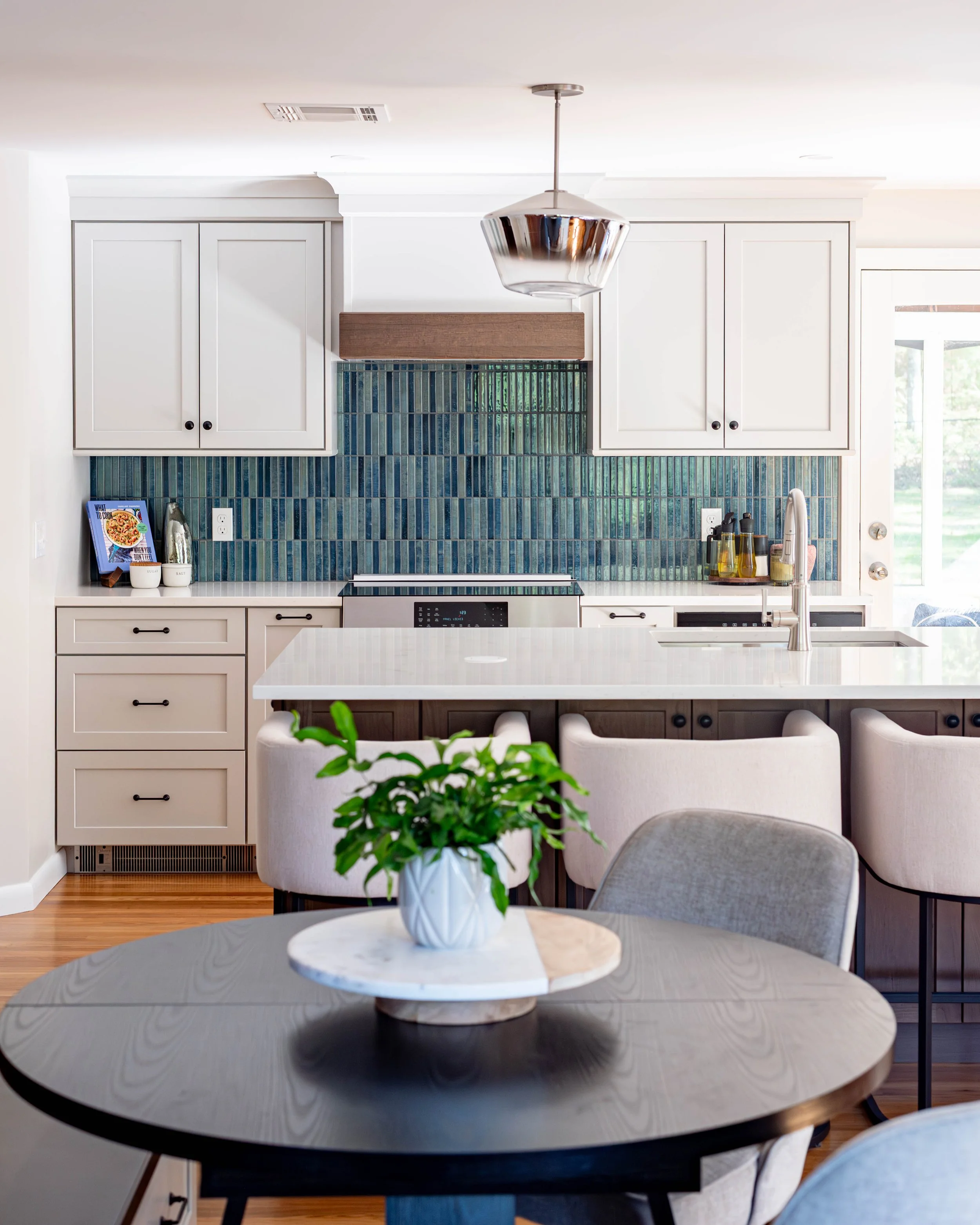
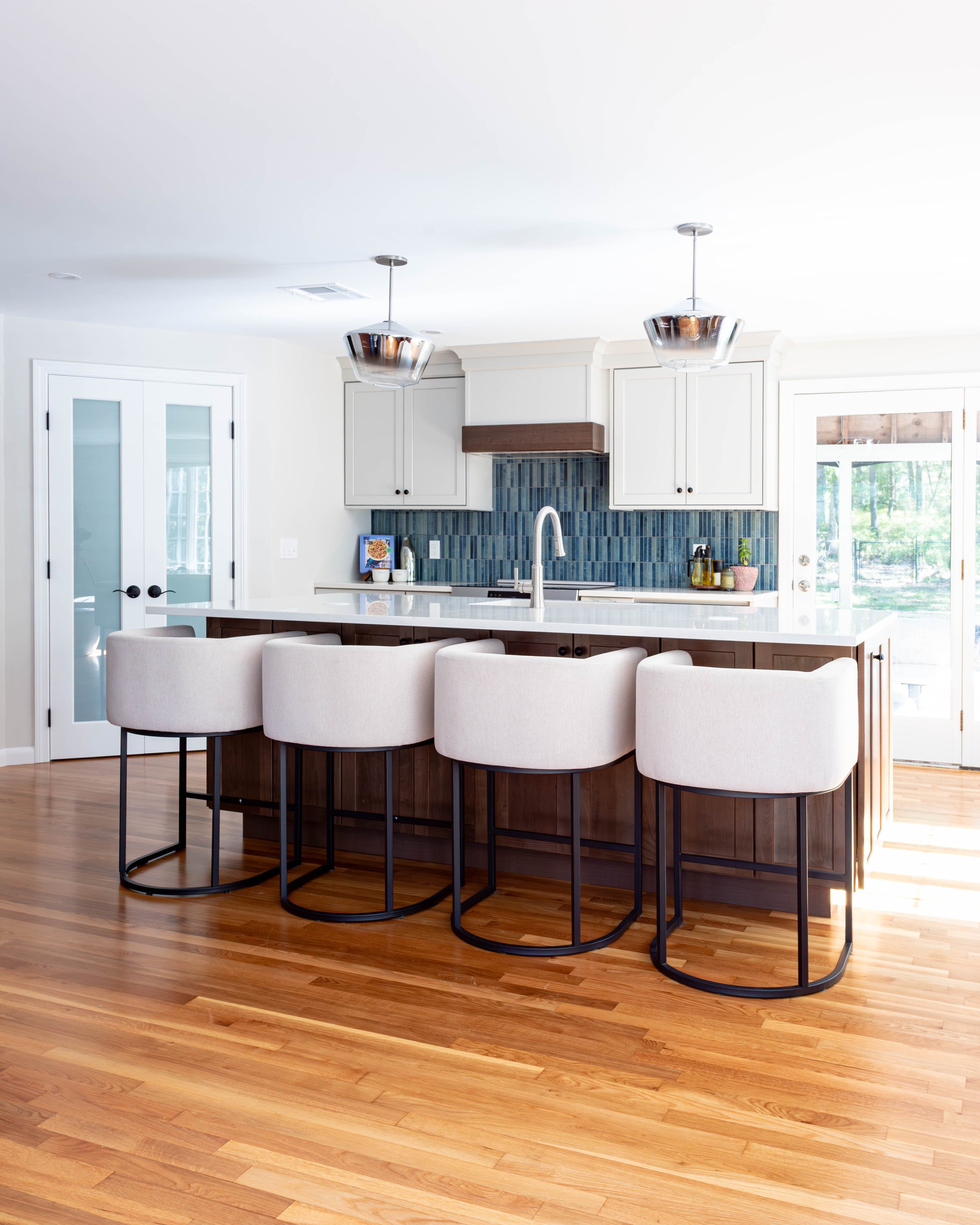
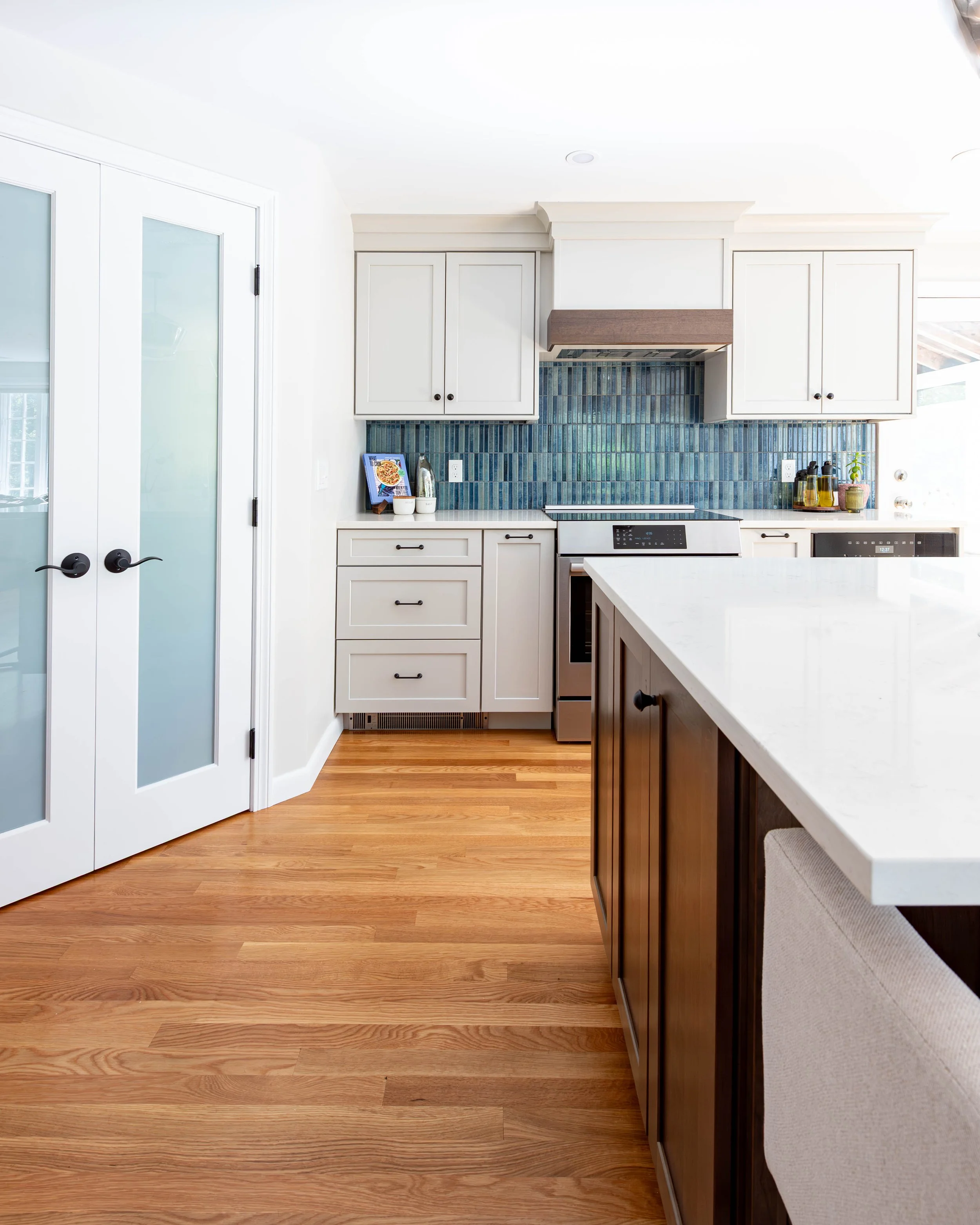
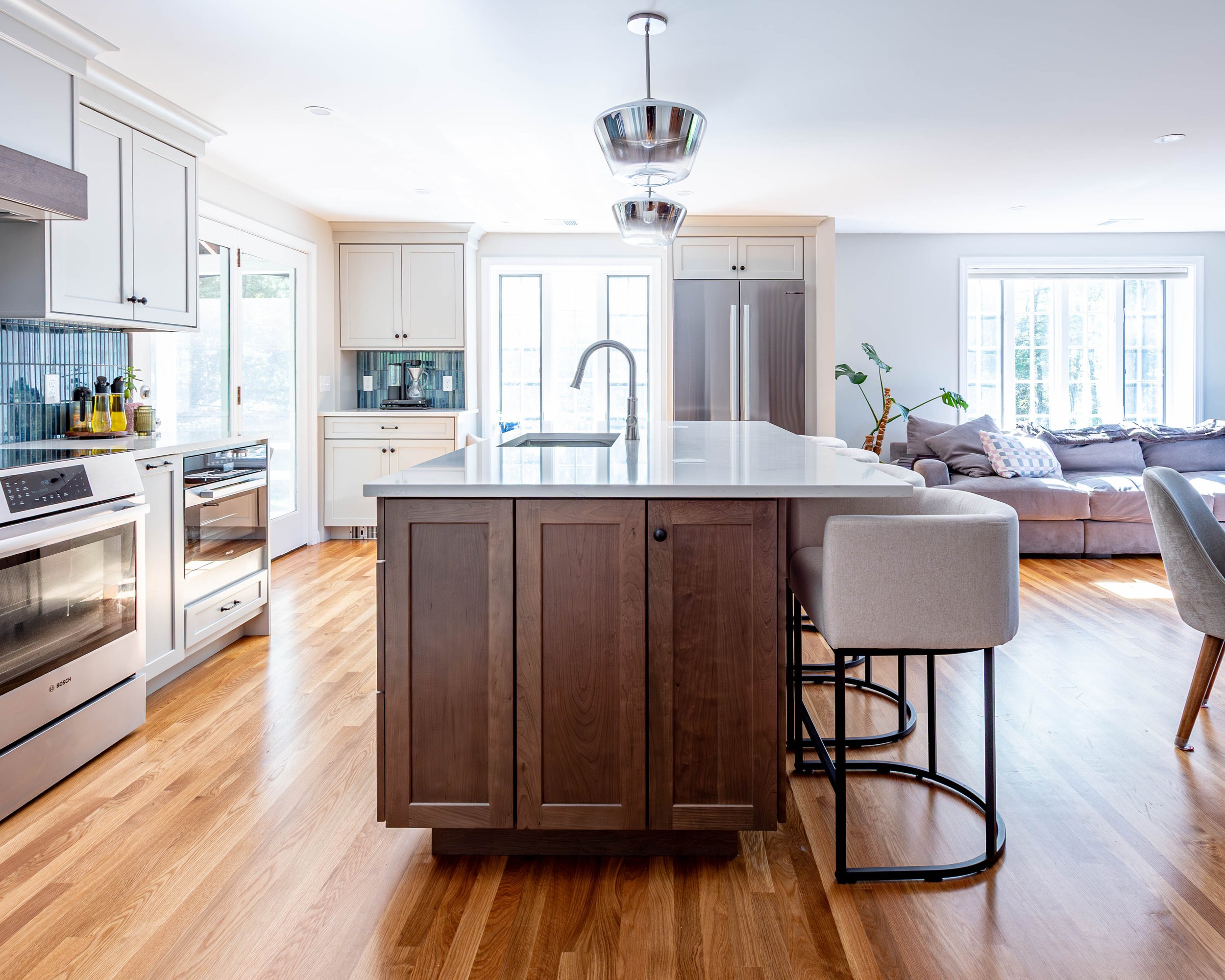
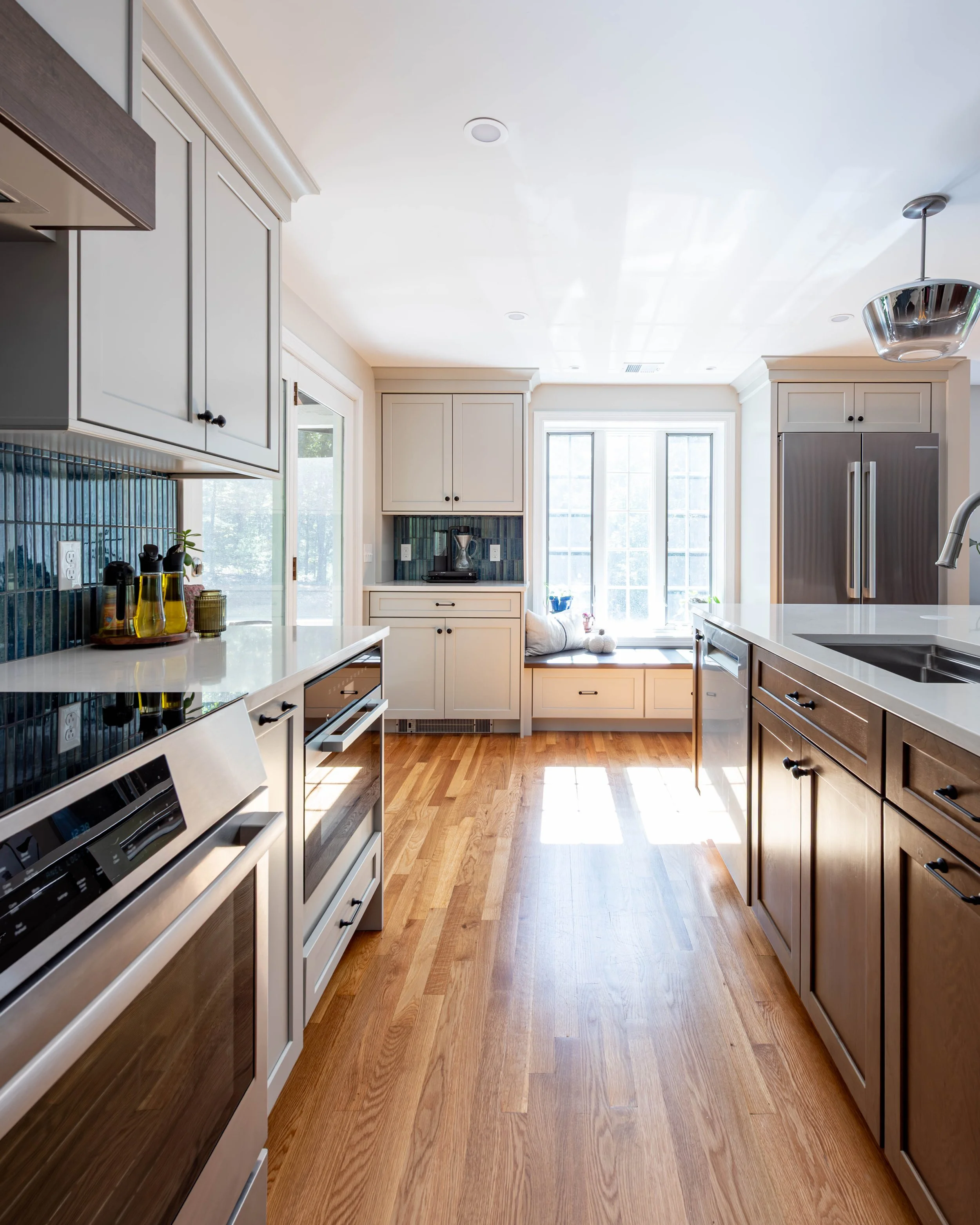
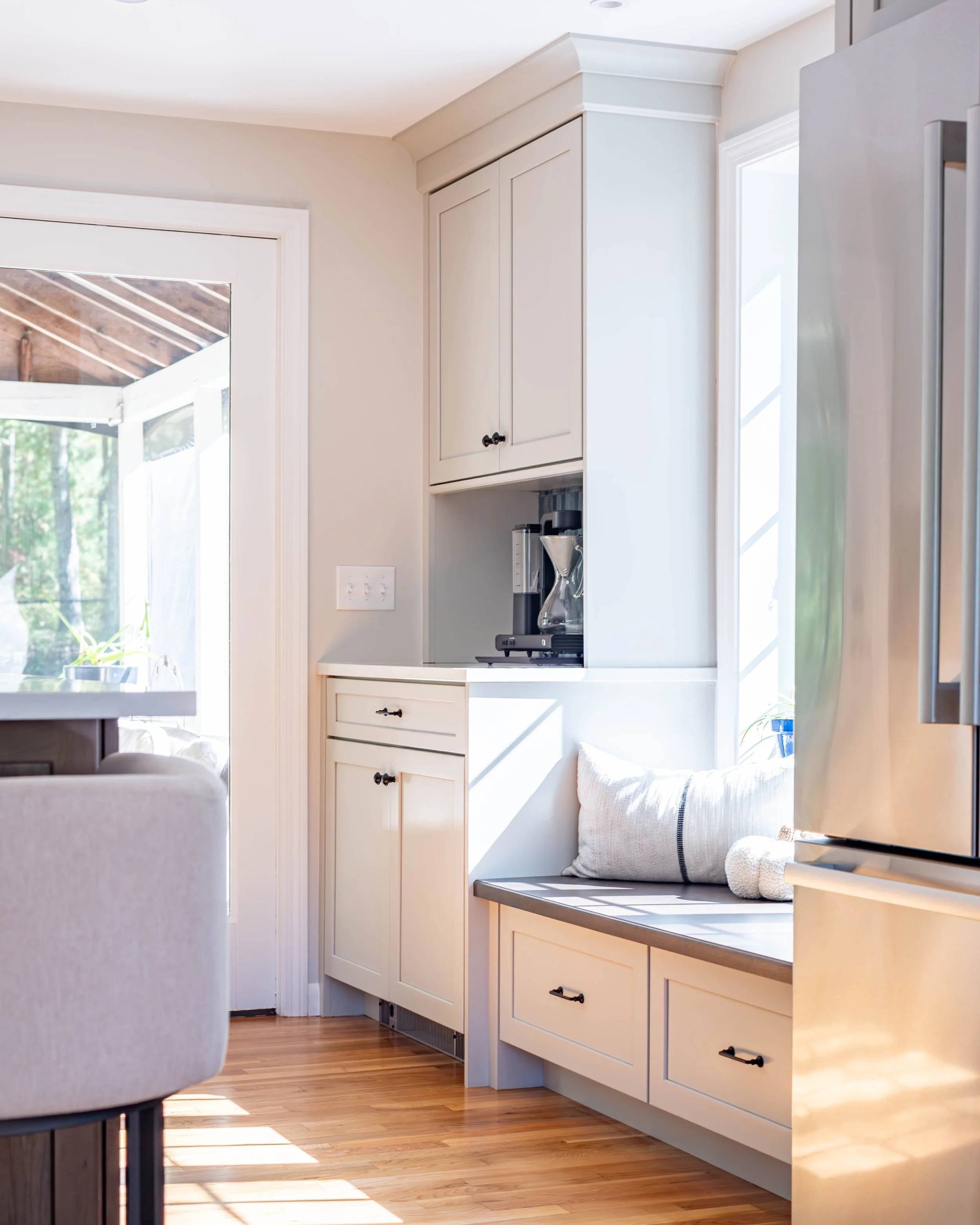
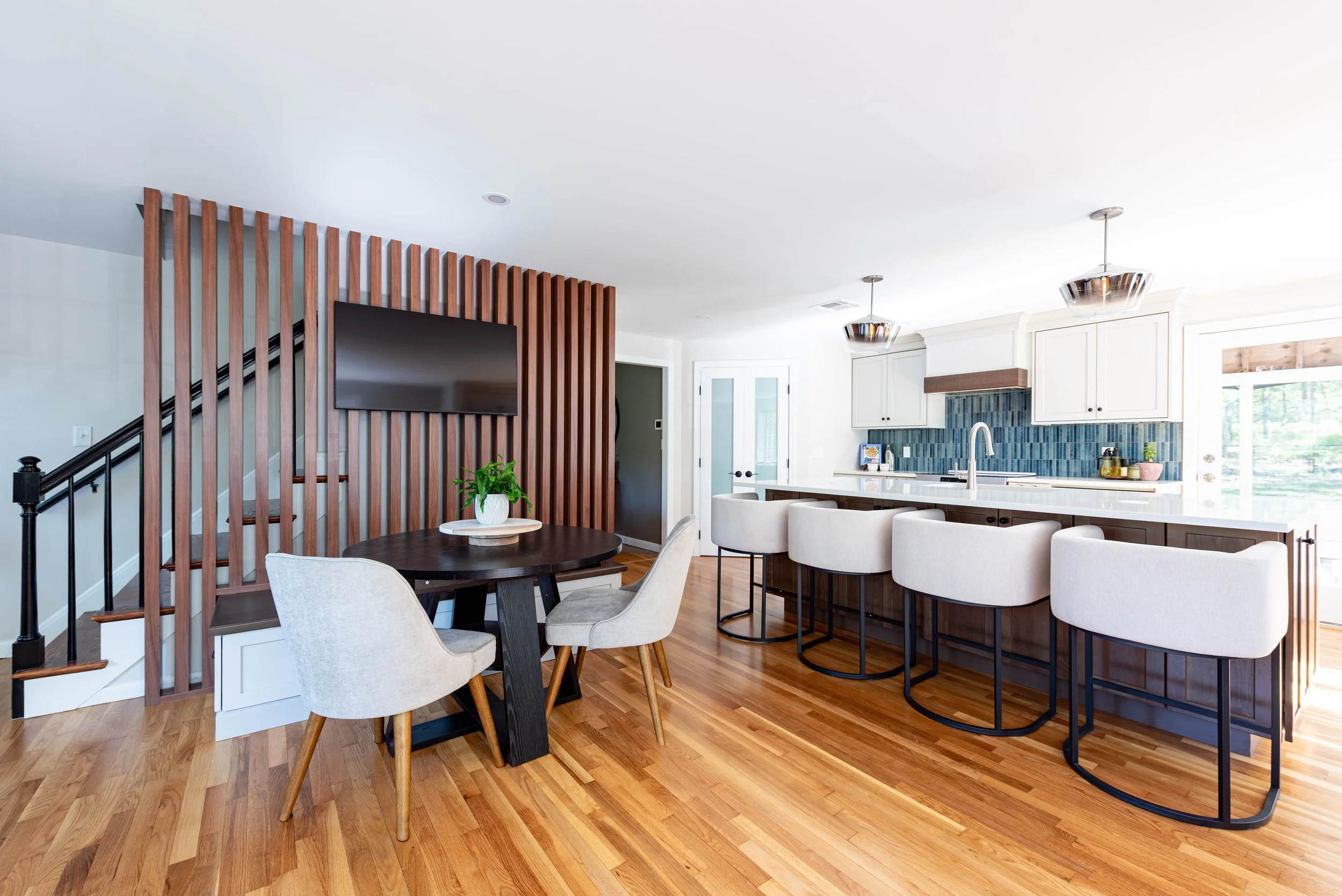
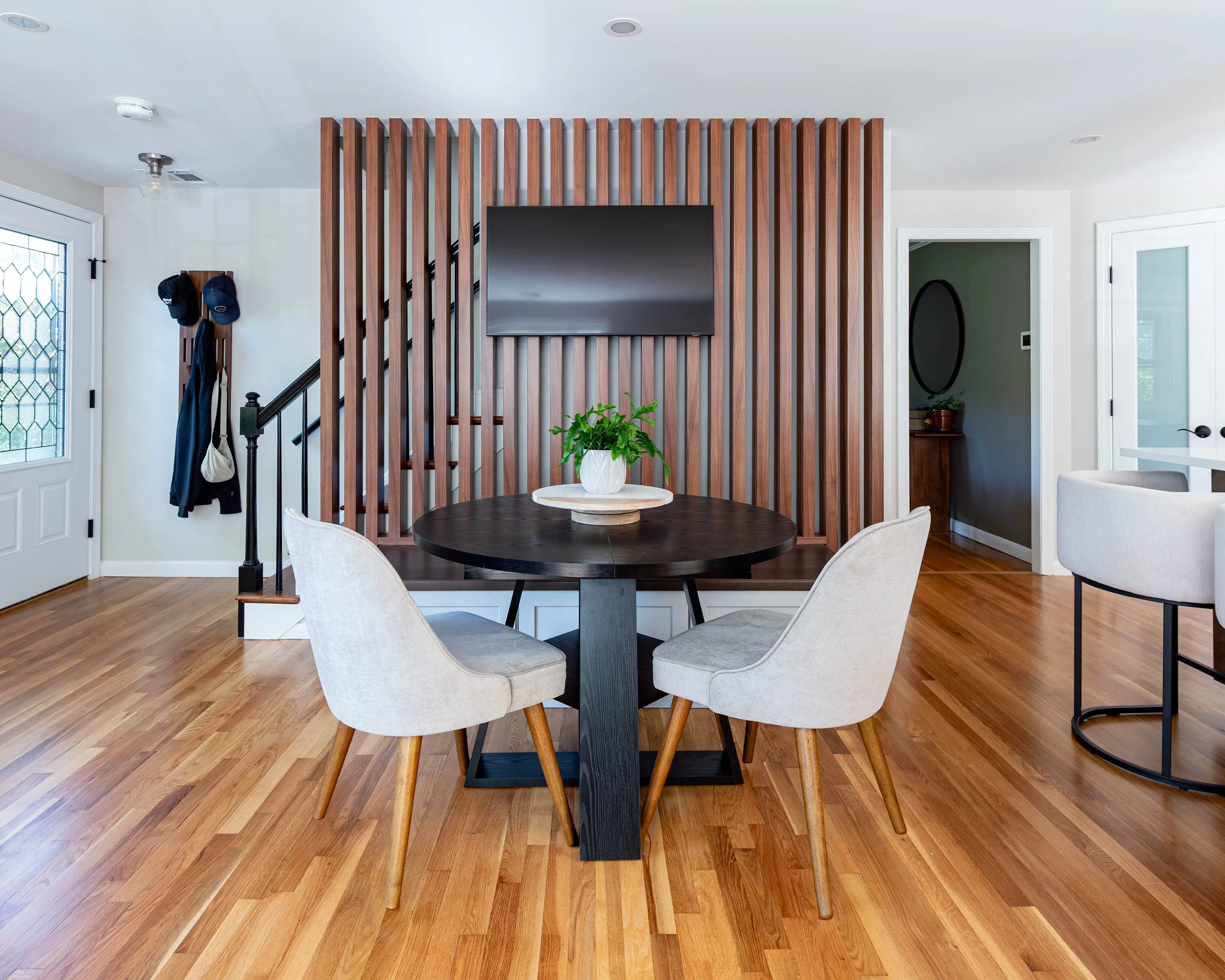
The result is a wide-open, structurally sound space, perfectly prepped and ready for the next phase of the kitchen remodel!